

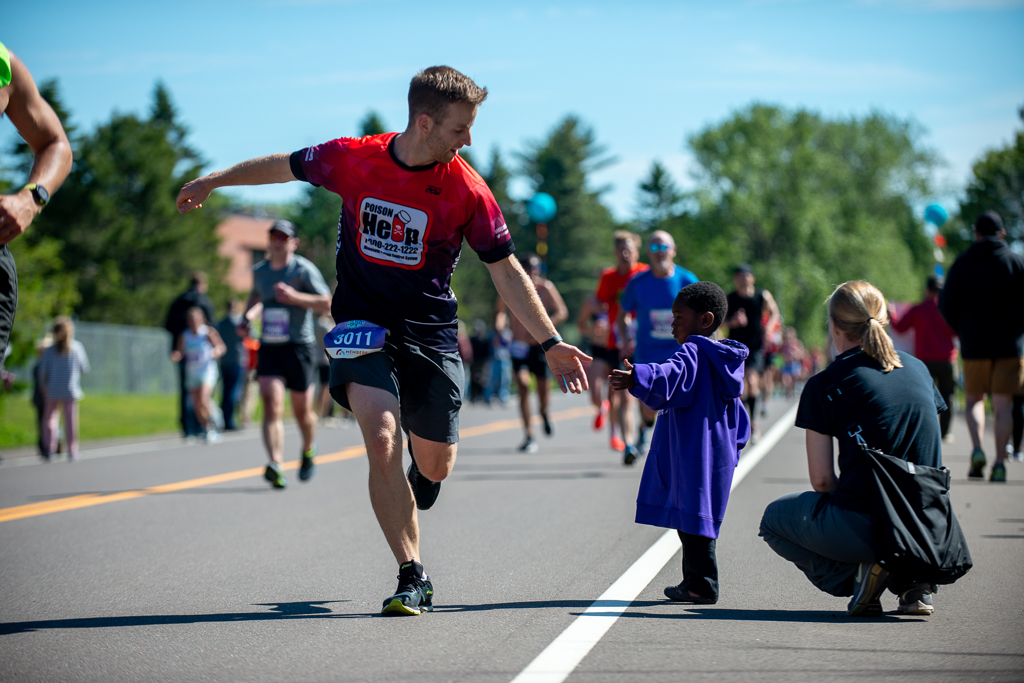
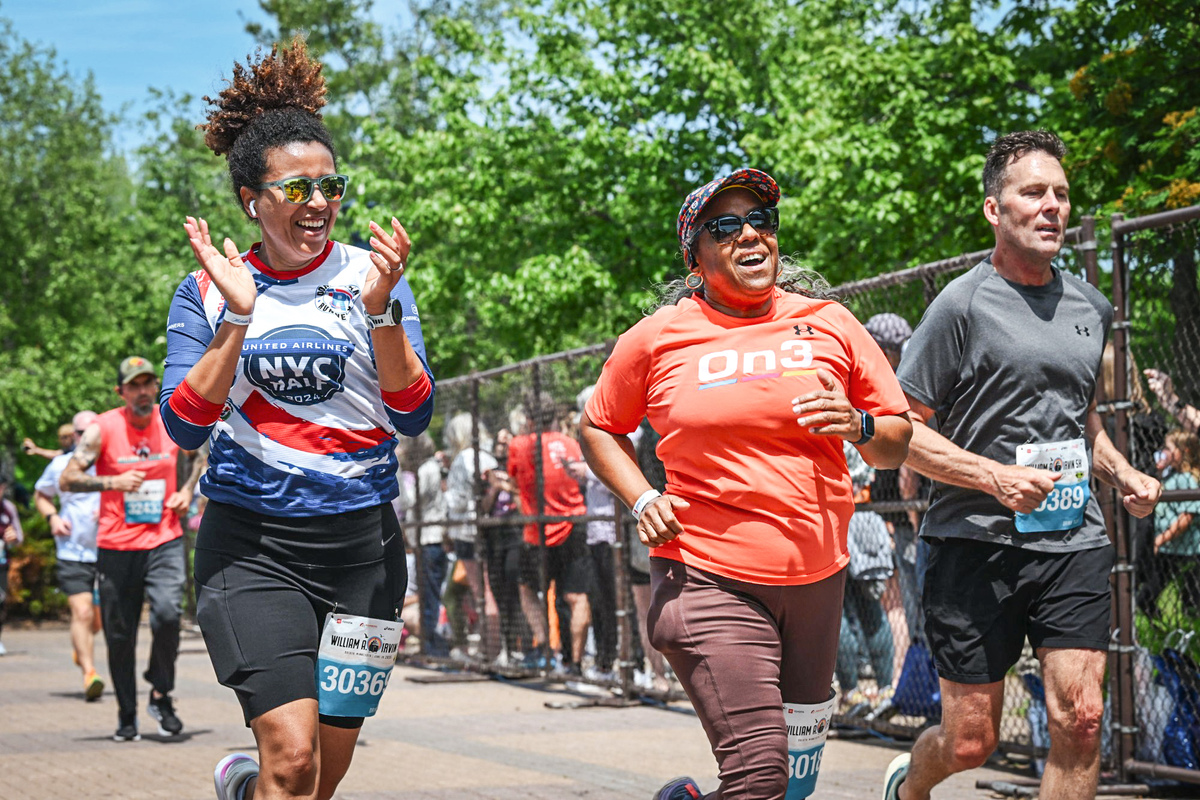





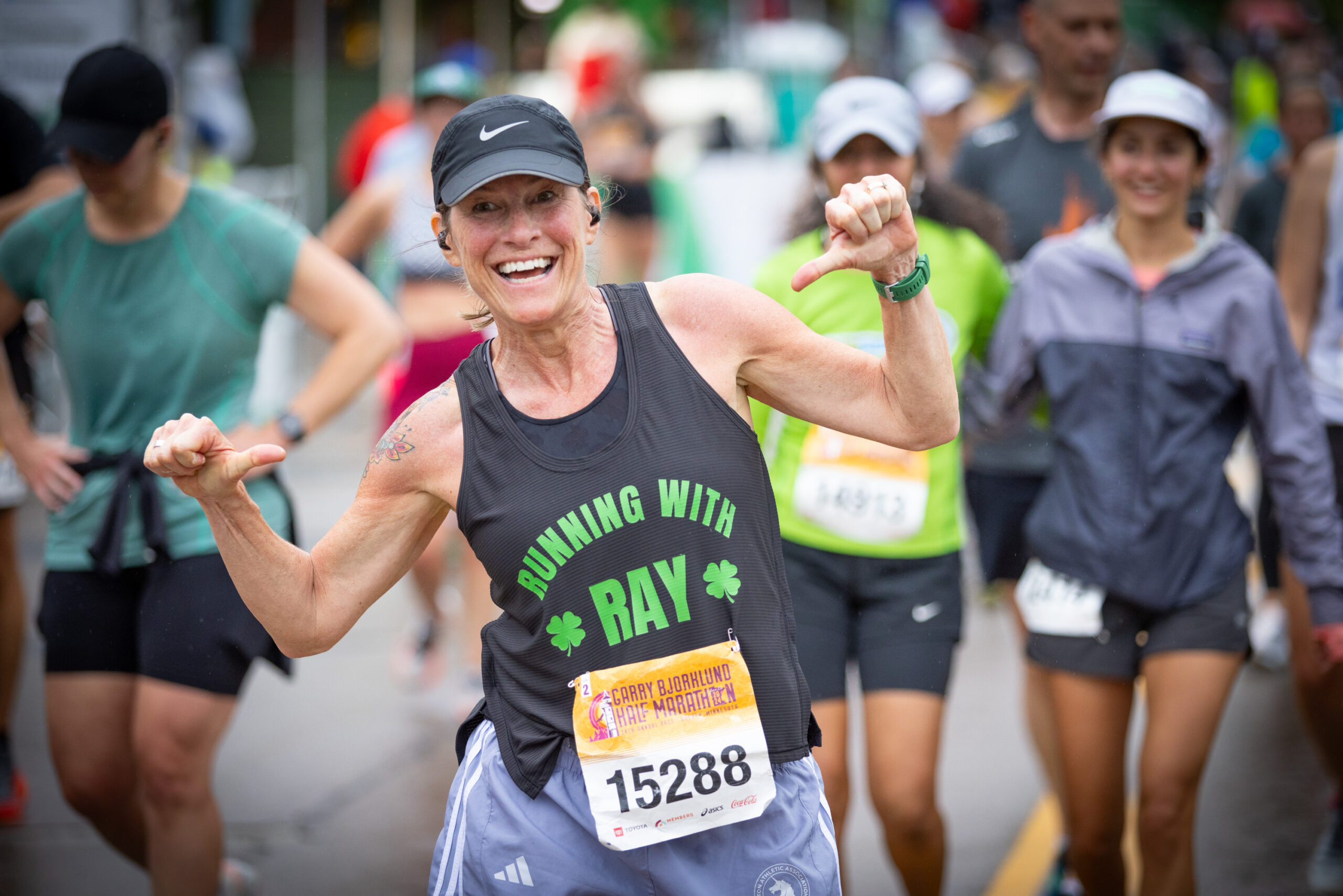
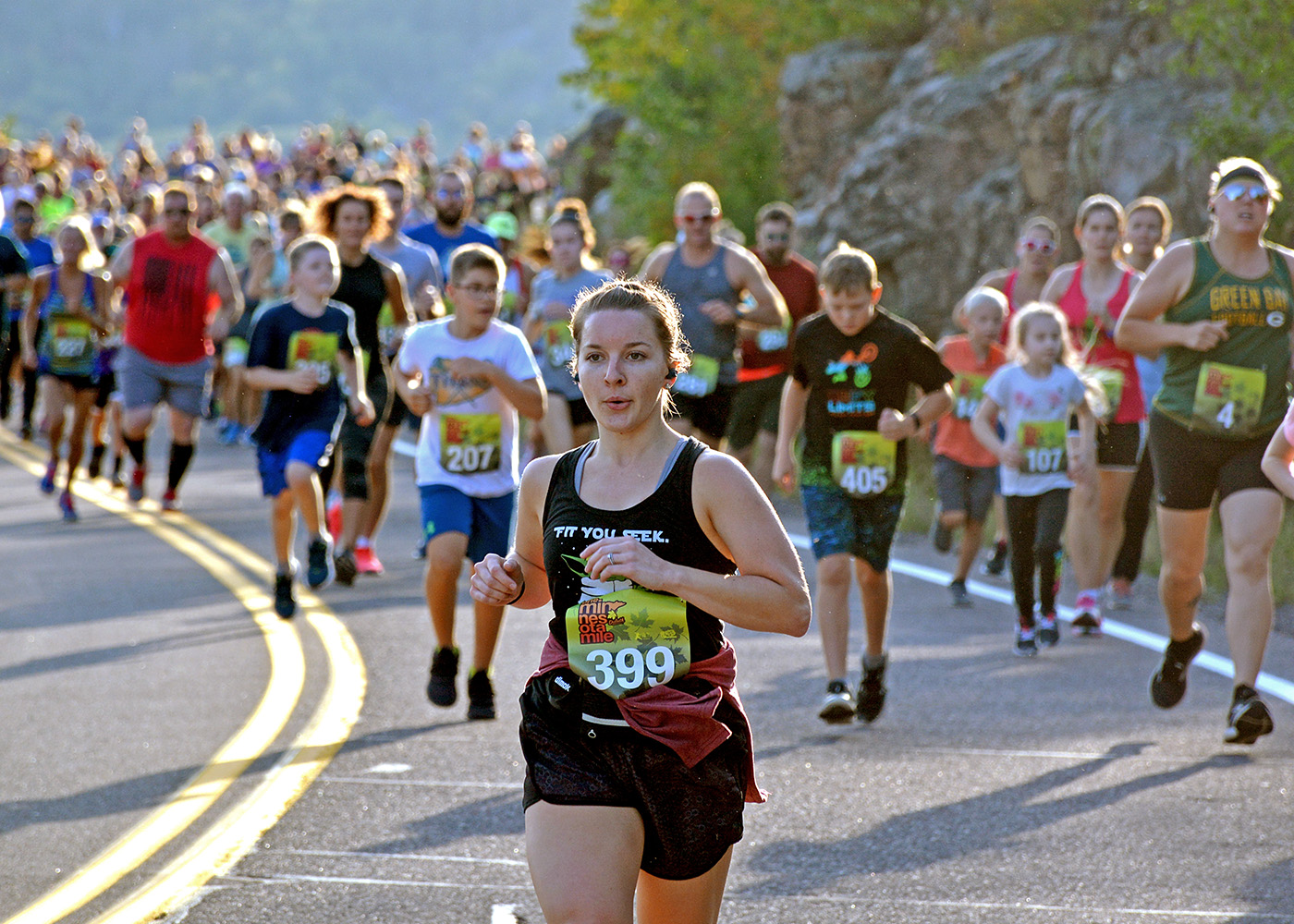

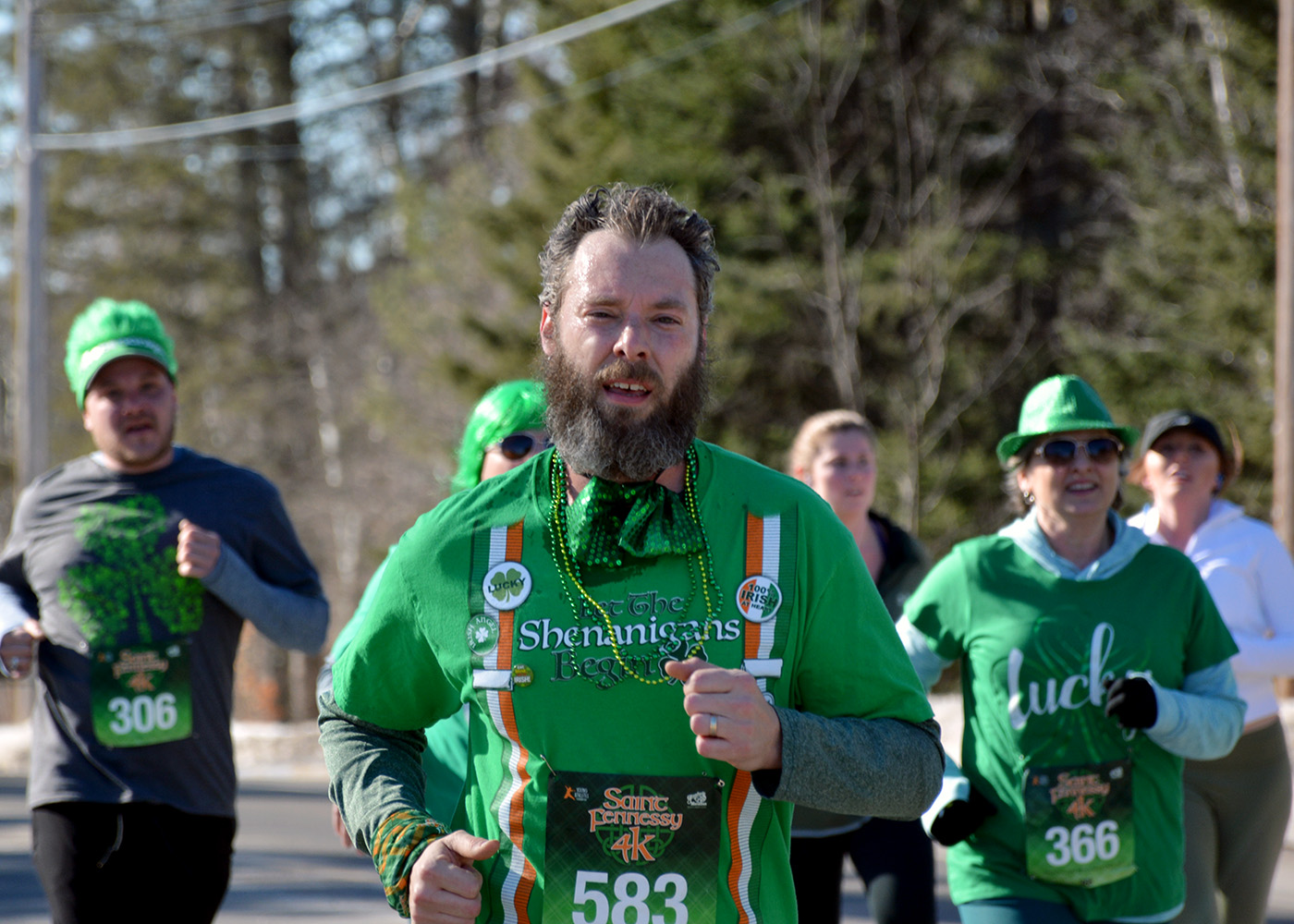

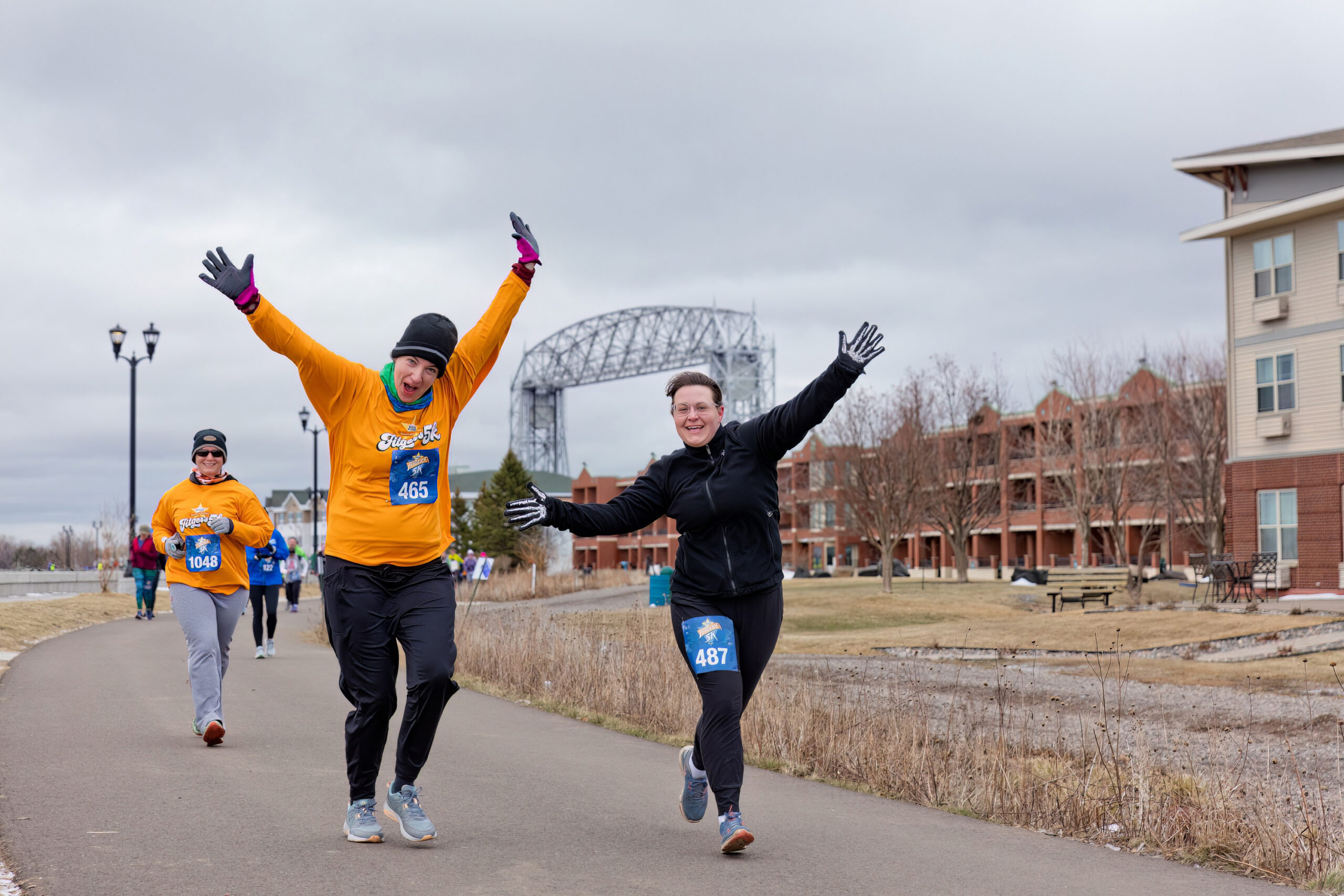

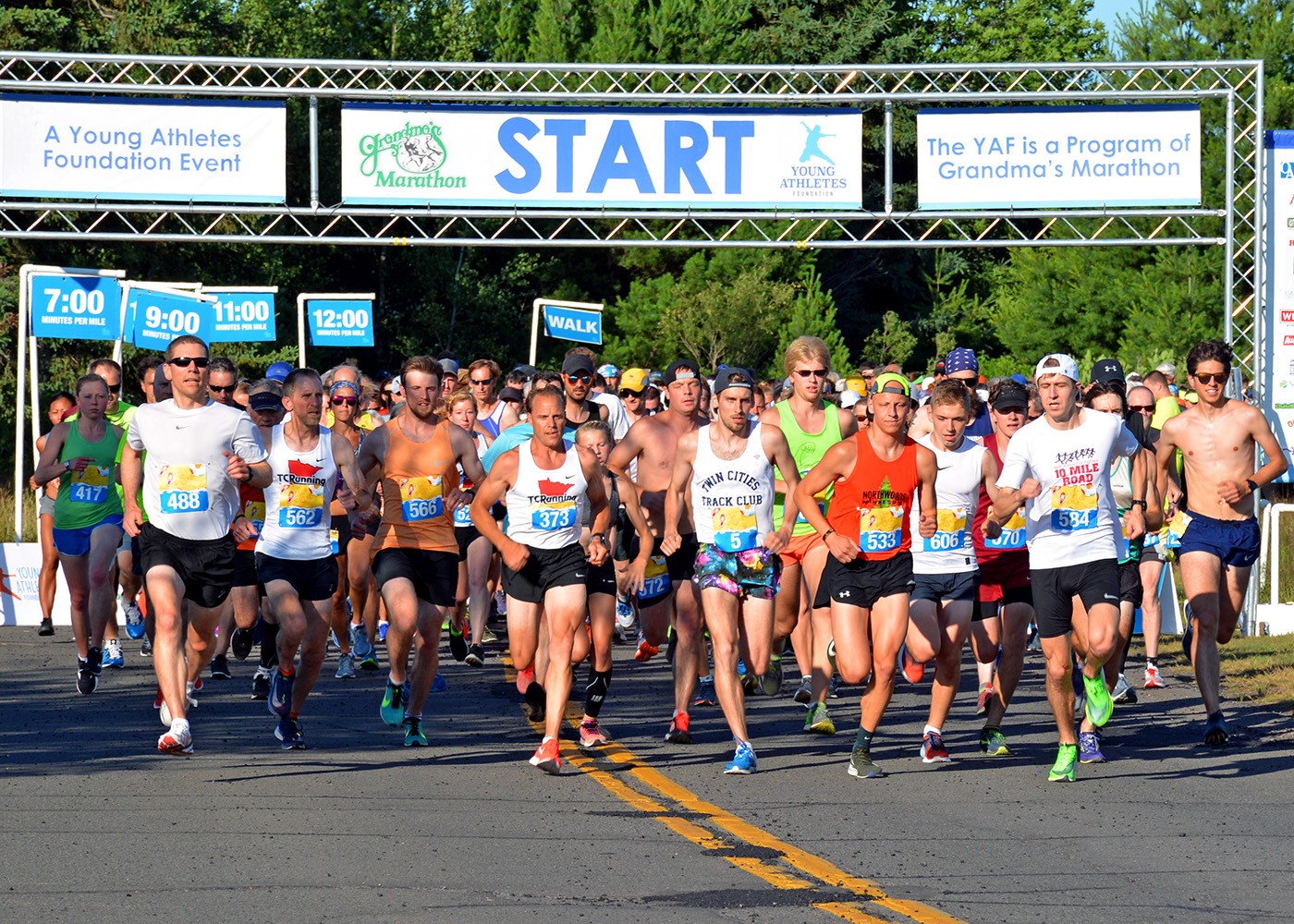
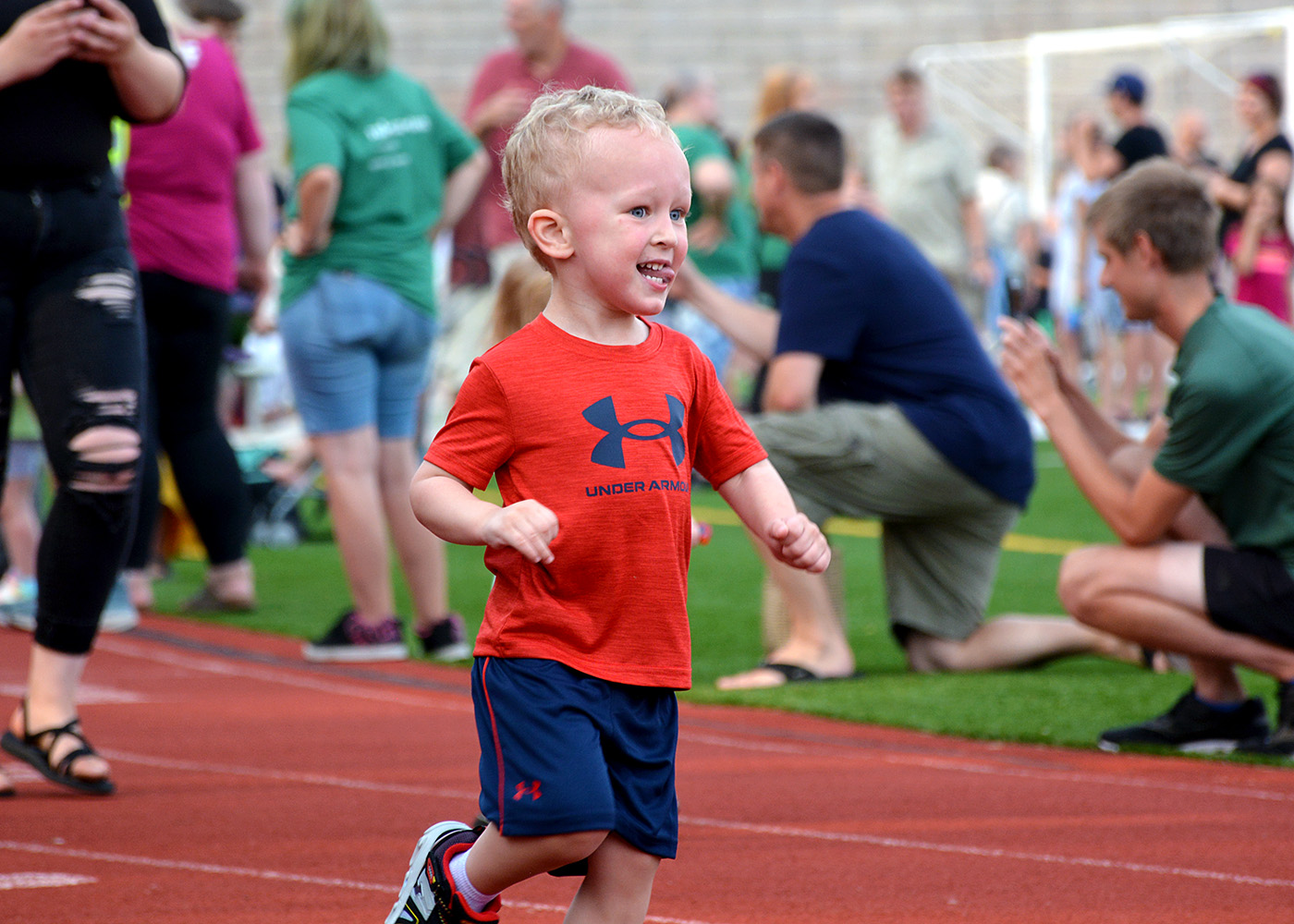
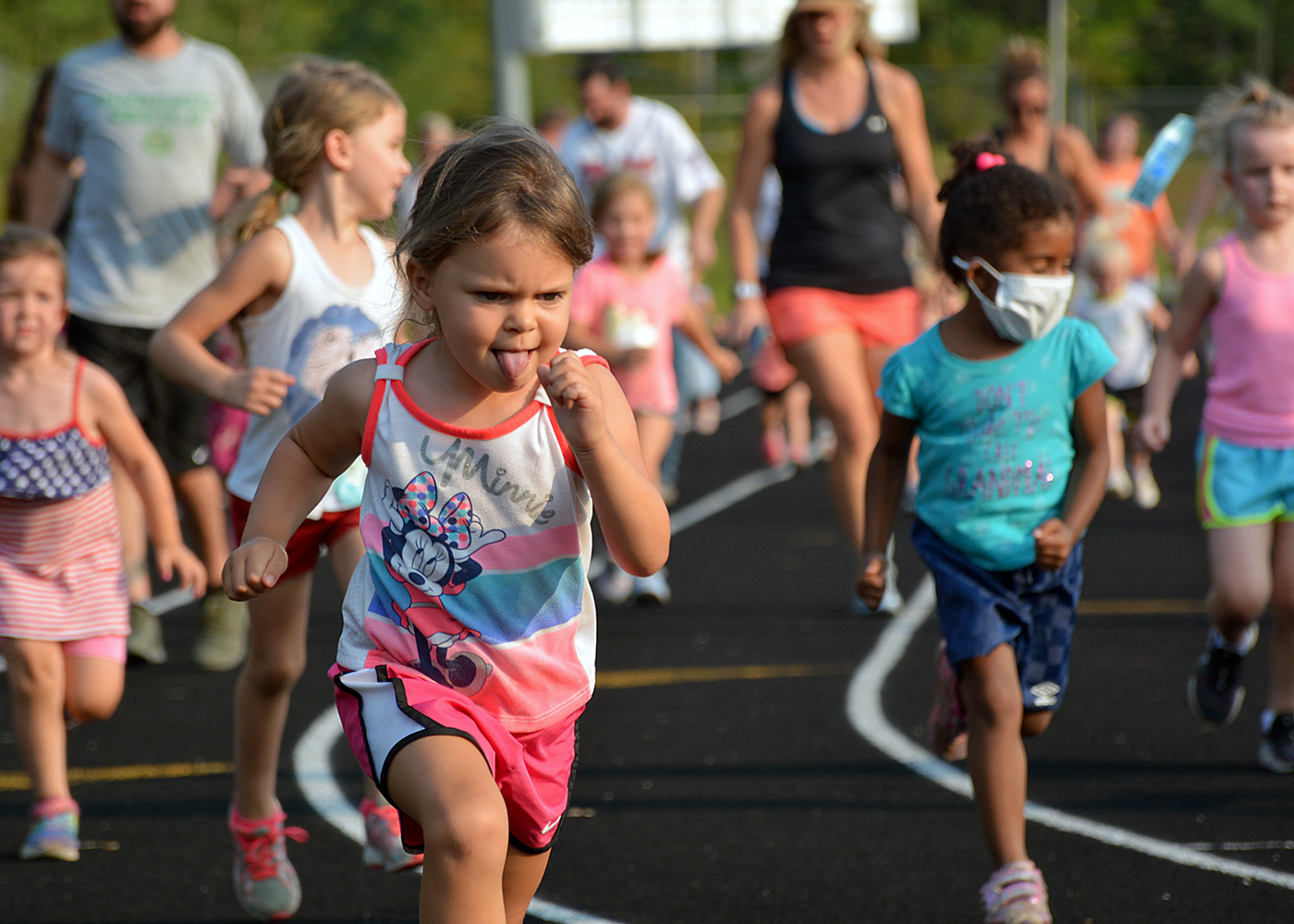
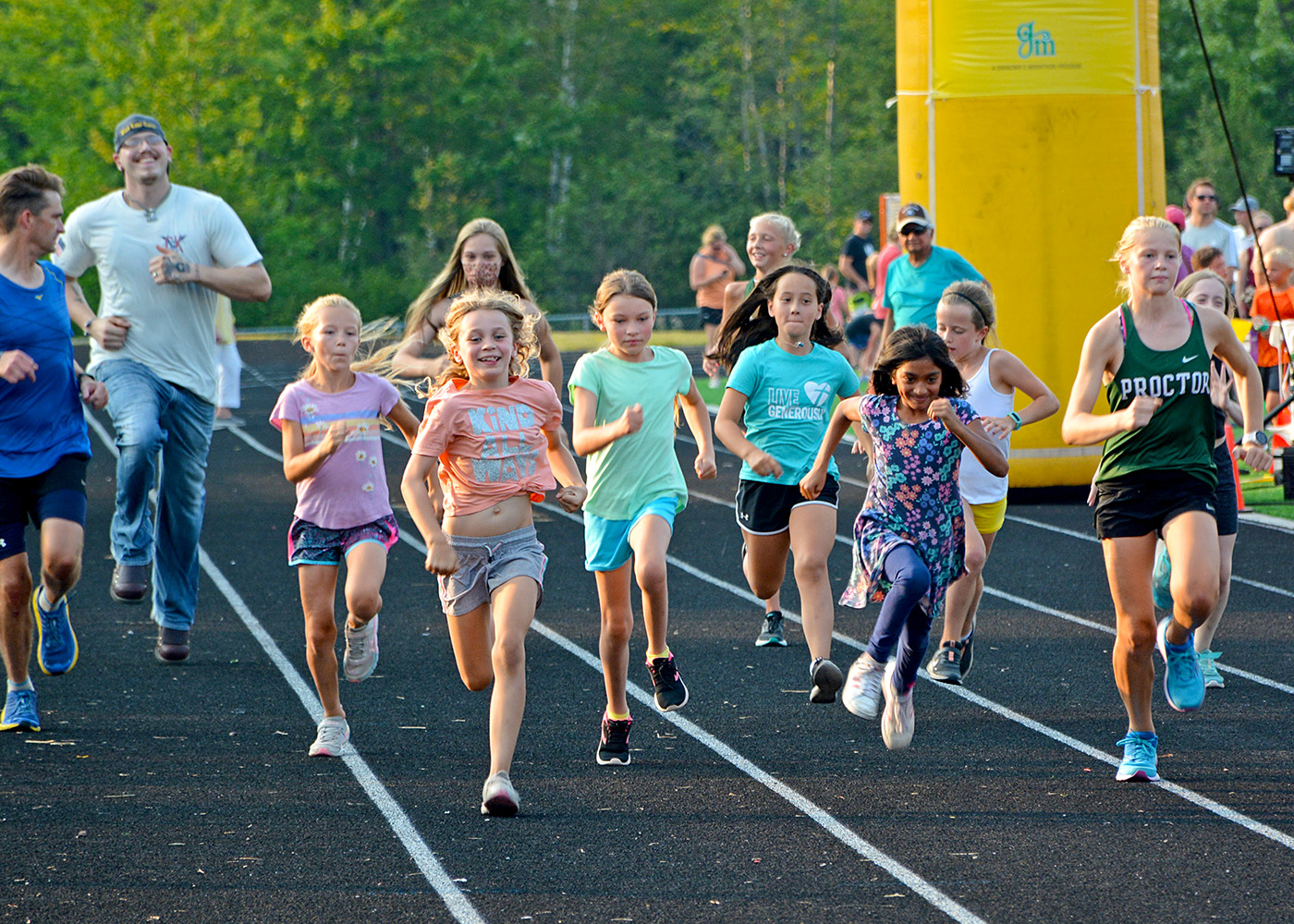

As someone who’s been distance running for a few decades now, I’ve seen what effect aging has on racing and putting in all the miles can do. From slower times, to taking longer to recover from harder efforts. But that doesn’t mean that running can’t be enjoyed well into your later years.
Change is good. While that popular saying can apply to almost anything, it can be an especially helpful mindset when it comes to running when you’re older. The way you did things in your 20’s will most likely not work when you hit that big 5-0. As someone who personally struggles with being stubborn and resistant to change, I also know that modifying just a few habits can help me continue my running journey safely.
One thing I’ve learned to do is listen to my body more. Sounds simple, right? This is where the stubbornness can sometimes come into play. Let’s be honest, two simple words that can make a runner cringe are “rest day.” We all love to be out there, putting in the work, feeling accomplished. That post run high can be addictive! But our bodies need those recovery days. The good news is that not all rest days need to mean doing absolutely nothing. A slow, easy walk, yoga session, or a swim can be great ways to get in some movement, while actively allowing your body to recover from the demands of running.
Weights. Strength training. Stretching. Oh my.
When I first started running long distances after high school, I could easily just lace up my shoes and hit the road. Stretching and weight training were more like foreign subjects than a companion to all those miles. These days, I know that all these things go hand in hand. Muscle mass loss can begin in your 30’s and continue to accelerate as you get older. This can make it easier to get injured, usually resulting in taking longer to recover. Keeping those muscles strong with strength training can be one of the most important aspects to your running. It can also help with joint mobility and flexibility.
If you ask a room full of runners who wants to run slower, you probably won’t get many takers. It can feel like a big blow to your runner’s ego when you realize that your 5K pace today feels so much harder than just a few years ago, despite being a full 2 minutes per mile slower. Learning to adapt your pace is important, and something your future self will thank you for. While this doesn’t necessarily mean that setting PR’s is a thing of the past, adjusting your expectations to the reality of where your body is currently at is key.
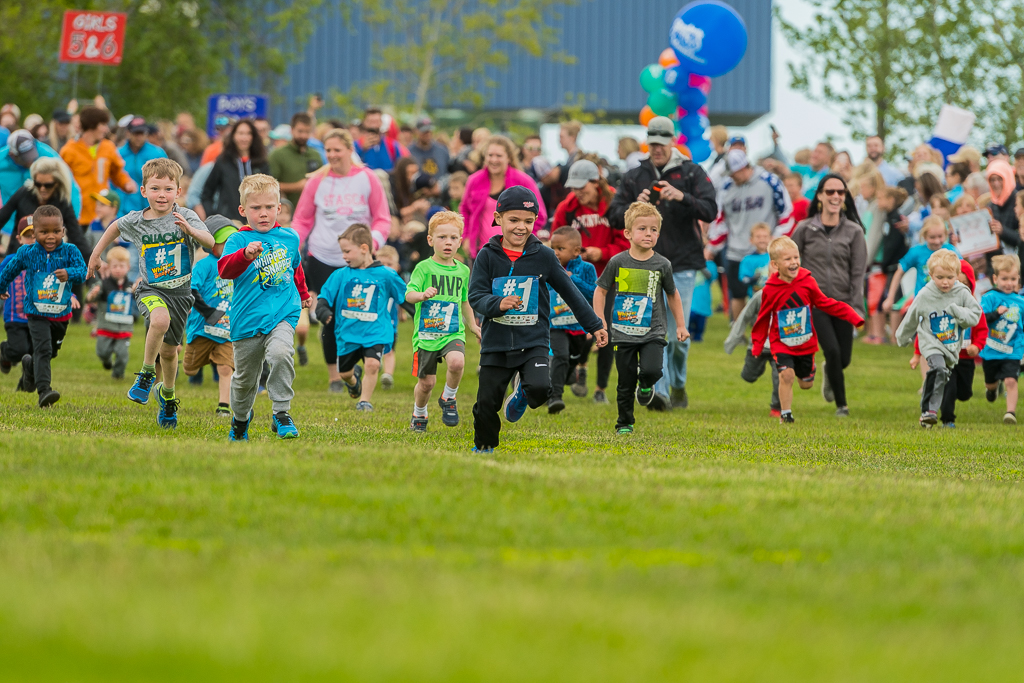
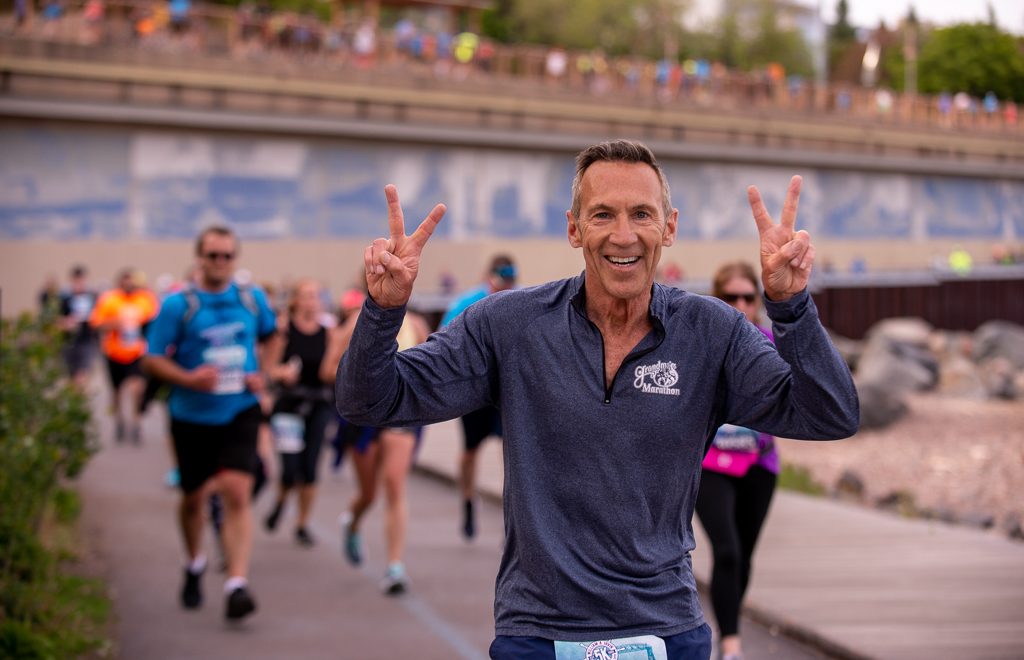
The running community has come a long way over the years. We see new runners starting in their 30’s and 40’s, sometimes even later. I’ve seen runners in their 70’s and 80’s out there still putting in the miles, something that I aspire to be doing when I reach that age. Making just a few adjustments and learning to love where you’re at in your running journey, whatever your age, can help you accomplish that.
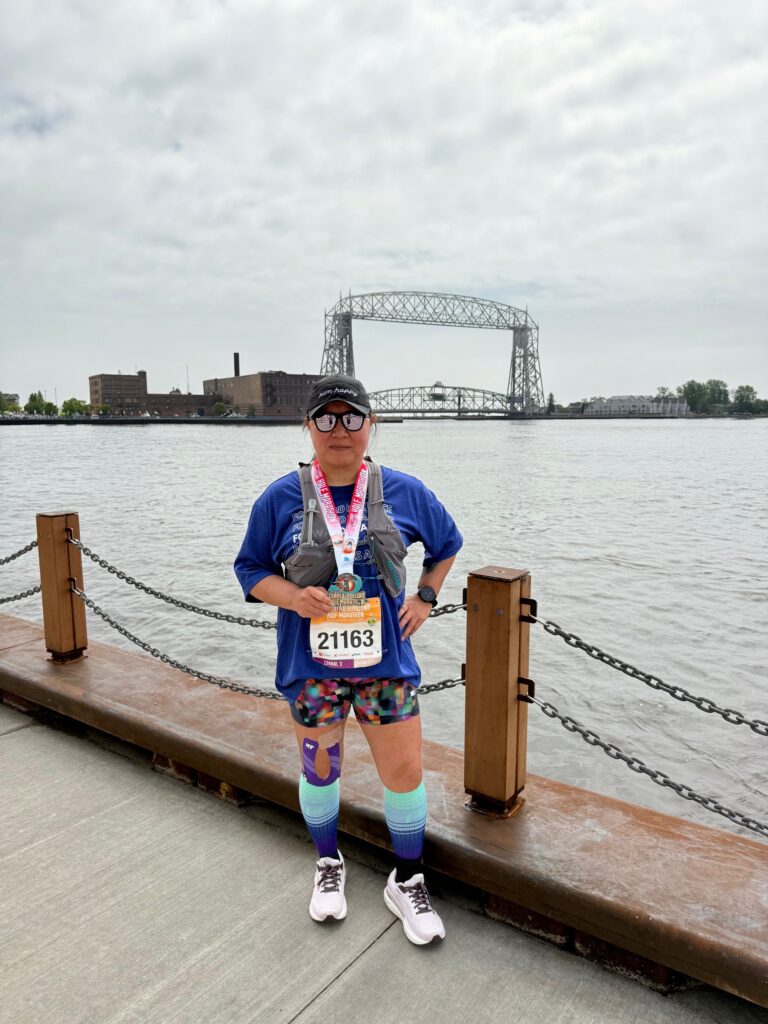
Tanya Koneczny
Follow Her on: Instagram
Favorite Grandma’s Marathon Memory: My first ever Grandma’s event in 2015, the Garry Bjorklund half, when it rained the entire time. I got to see my family cheer me on along the course, even in the rain, and I ended up with a half-marathon PR.
Quote that guides, inspires, or embodies your training, racing, or life: Whether you think you can or you can’t, you’re right.
A Song that must be on your running playlist:Unstoppable by Sia
Favorite post-race beverage: Coffee cooler from Caribou Coffee
Reason you absolutely won’t run outside: Lightning, Zombies, or Sharknado.