


















When I first started running, I did not pay too much attention to what I was eating other than making sure I was drinking enough water and eating when I was hungry. While this lack of strategy did not create problems for runs of shorter duration and distance, the longer my runs became, the more intentional I needed to become. I remember returning from runs in hot, humid weather feeling like my legs were mostly fine, but my stomach was not (or in some cases, ended up with a raging headache, even as someone who almost never gets them).
My body was telling me to pay closer attention to how I was fueling before, during, and after runs. From ravenously hungry after, to feeling sick from electrolyte imbalances, to pounding headaches, to feeling like I needed to spend the rest of the day on the couch – ask any runner about their experiences with a lack of proper fueling, and they will give it to you straight. When you add in speedwork, long runs, and temperature swings, this may feel especially true. Put simply, running feels better and you can execute workouts better when you are well-fueled. Endurance athletes (that’s you!) prepare for this by considering both how they fuel in the runs leading up to race day as well as on race day itself.
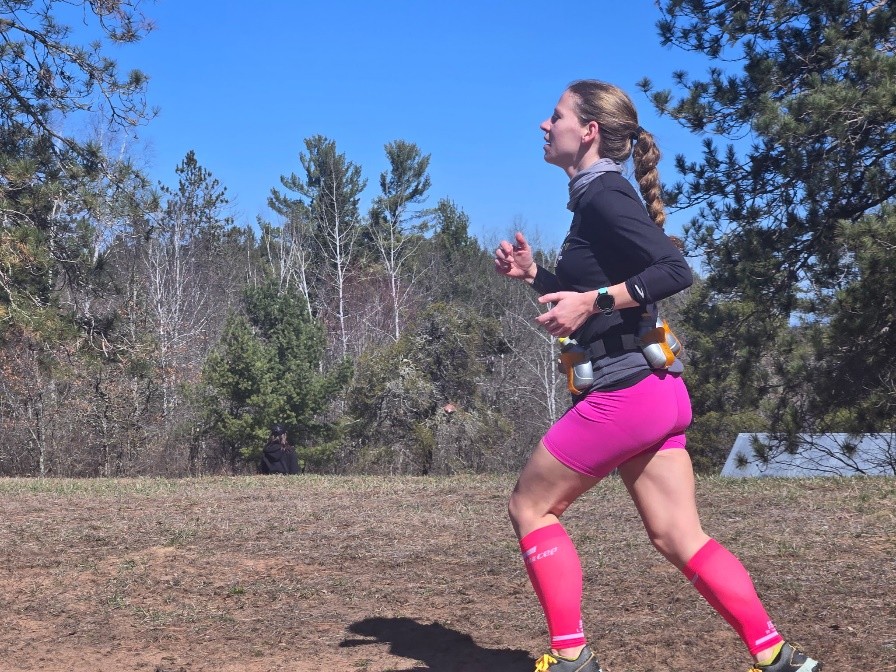
Before, during, and after your run, carbohydrates are your friend, since your body is using a lot of glycogen (created from the carbohydrates we eat). That comes from fruits and vegetables, including fruit and vegetable juices, and running out of glycogen (in addition to going out too fast for your fitness) can be what leads to the dreaded “bonk” or “hitting the wall.” To avoid this, 60-90g carbs/hour of running is the general recommendation, and it is great to practice your fueling strategy far in advance of race day so you know what foods, gels, blocks, etc. your stomach will tolerate before rebelling against you. Each year, as race day approaches, countless runners panic because they have not yet formulated a plan for fueling during the race, and at the time of this blog post, with so much time ahead of you between now and race day, you have lots of time to work it out. If you are reading this later down the line and wishing you had a plan – fear not! Think of your remaining training runs as opportunities, and lean on your running community to see what options out there you may not have yet considered.
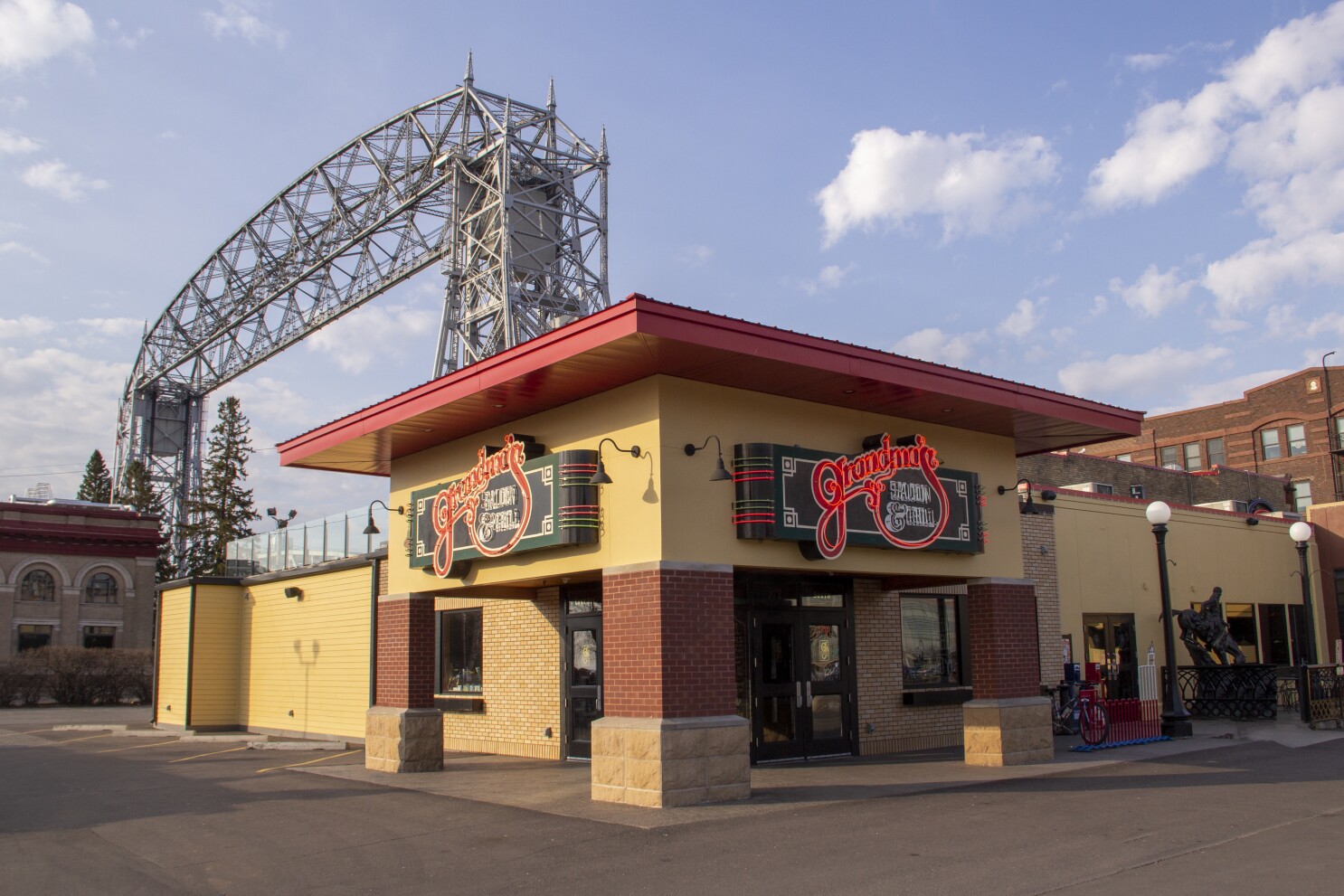
Determining your own individual electrolyte needs serves you well, too. Some folks do just fine with the electrolytes contained within their fuel of choice, whereas others (self included) benefit from adding more to the mix, such as electrolyte tablets, drink mixes, or course-provided sports drinks; for example, Grandma’s Marathon provides Powerade at every water station. Those additional electrolytes can stave off cramps (stomach and legs!) before they happen when you determine in advance what your needs are.
To arrive on race day ready to roll, consider what your system is processing before, during, and after your efforts. Again: everyone is a little different, so what works for one person may require a little troubleshooting for yourself, and you will be thankful you took the time to troubleshoot your fueling in advance of race day instead of panicking the night before. While not an exhaustive list, these considerations should help!

Before:
Arrive at your workouts well-hydrated and having had some easy-to-digest carbohydrate sources- a banana, toast, graham crackers, whatever suits your fancy. Fruit juices are a fantastic way to get plenty of carbohydrates without added fiber. Pre-run, check the weather to determine if your intra-run fueling needs may change given the conditions. As a general rule of thumb, for workouts longer than 60 minutes, include electrolytes as part of your fueling strategy, and for 90+ minutes, add carbohydrates (or earlier! If I had to choose, I would opt for overfueled rather than underfueled). If you plan to use course-provided electrolytes during the race, pay attention to what is offered so you can practice with it during your runs. In the day or two leading up to your longer runs, it may also be worth making a mental note of what other foods you’ve had so you can see how they sit during the run itself. Many runners avoid high-fiber, high-fat, spicy foods, and alcohol before long runs or harder efforts. High protein foods are also harder for your body to digest, so you may want to save that for a post-run meal.
During:
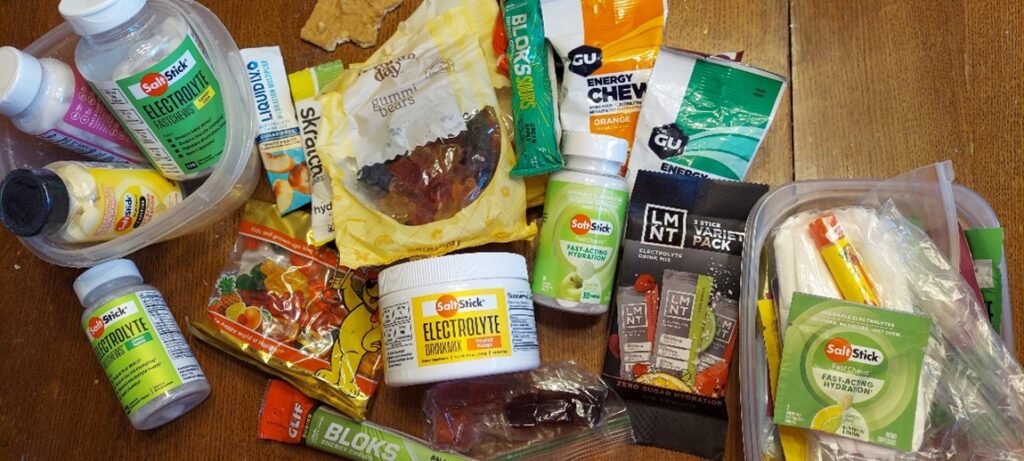
Training runs for endurance runners are about training your legs and your stomach. There are seemingly endless options out there for intra-run fueling: blocks, gels, waffles, gummy bears, gummy clusters, maple syrup, PB&J sandwiches, jelly beans, cookies, breakfast pastries, and the list goes on. Some fuel sources specify that you take them with water to avoid GI distress, and others specify you can take them on their own. The sky isn’t exactly the limit, but it is pretty close! As you figure out what fuel sources you can tolerate, and at what rate, make sure you see if that still holds up at the pace you plan to hold on race day.
The good news is that while sports-specific energy sources (think gels, blocks, and similar) are more expensive, once you nail down your fueling strategy for race day, you can write it down and stick to less expensive fueling sources (if you’d like) for those less-intense efforts. When I am running at an easy pace, I am happy to save money by packing a peanut butter and jelly sandwich, some apple sauce pouches, gummy bears, and electrolyte tabs. At harder efforts, I am fairly confident I would choke on the sandwich and have applesauce running down my chin, with an upset stomach looming.
On race day, use the fueling strategy you have so carefully worked out. Some folks will remember their plan, but if you need a reminder, you can set up your watch to lap at certain time intervals so you remember to fuel, or write the plan on your arm in permanent marker. If you are feeling good, it can be tempting to skip a gel here or there, but there is a decent chance you will end up paying for it later and not run your best race or recover as well. If on-course aid stations are part of your plan, make sure you consider other runners with the same plan and after grabbing what you need, get out of the way for others. In doing so, you can avoid potential collisions or slowing others down.

After:
Take stock of how you felt during your run, both from a “did I take all the fuel I intended, when I intended?” perspective, and a “how did last night’s dinner impact my run? How about this morning’s breakfast?” perspective. When race day draws near, you will thank yourself for having a general idea of what sorts of foods led do your best runs, and which meals are better left to the celebration that comes after you cross the finish line. If you think the weather may have impacted these factors in any way, make note of that as well. Have you noticed you need more electrolytes above a certain temperature or humidity? Did certain foods sit better during a chilly spring run, but not so much in the summer? All of these data points lead to a well-prepared race week. Lastly, be sure to help your body recover by continuing to replace the glycogen you utilized during your workout. It is pretty astounding how much better you will feel for having done so.
Final Thoughts
Distance running can seem incredibly intimidating whether it is your first long run, first speed workout, first race, or first time in a running store, or your 50th time doing those things! The great thing about running and endurance sports in general is just how much the communities they make up want to see others be successful and feel included. Determining your fueling needs can also seem intimidating, but you will figure it out! Just like you would never fault a close friend for not getting something exactly right the first few times they try it, be kind and patient with yourself while you research and try things out. The very act of trying is bold. And remember: there is no set amount of minutes, miles, days per week, or races that make you a runner. Keep your running rooted in your why, stay flexible, and be kind to yourself along the way, and the Grandma’s Marathon Weekend finish line may very well turn into more of a starting line for your running journey. Running can be such a fun part of your life – but it also isn’t your entire life. Start slow, wear sunscreen, celebrate small wins along the way, and remember: Progress, not perfection. You’ve got this!

Kelsey Uribe
Follow Her on: Instagram
Favorite Grandma’s Marathon Memory: There is something extra special about your first Grandma’s, and my favorite memory is simply the overall feeling I had during the race (and even now, talking about it!). My primary race-day goal was to take it all in, rather than being so focused on pace that I only remembered my watch face. I had wanted to run Grandma’s for nearly 30 years after seeing my dad run the 20th anniversary of the race. He has often said “every runner has got to do Grandma’s,” and I agree. I spent so much of my race feeling gratitude: gratitude for being able to arrive at the start line surrounded by folks who each had their own journey to get there, gratitude and awe for what a special experience it was to follow my dad’s route, and gratitude for the unique way the north shore invites us to reflect on our interconnectedness. To hear the waves along the same shoreline, see the light filtering through the same trees, and feel encouraged by the cheers of many of the very same residents who cheered on my dad, just like they have done for decades of Grandma’s runners- oh, what a feeling indeed! That interconnectedness and gratitude made for an unforgettable day.
Three words to describe your training, racing, or life: Determined, grateful, optimistic
Favorite post-race beverage: Chocolate milk!
Reason you absolutely won’t run outside: I have three little kids at home, so at times, their needs mean I am on the treadmill at odd hours.